

WHY HANDS-ON?
Real Learning. Real Skills. Real-World Impact.
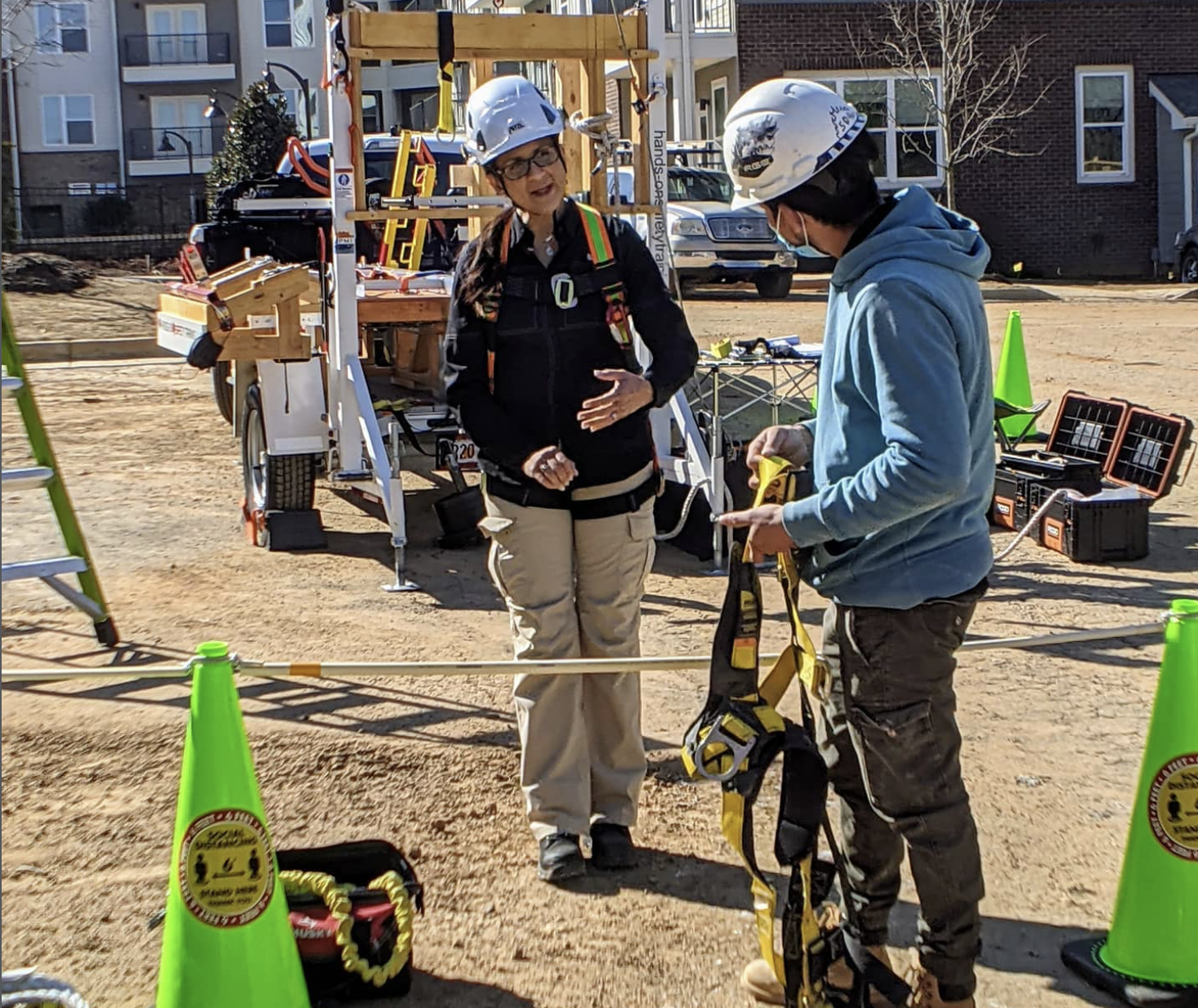
At Hands-on Safety Training, we believe our design and method of delivery provides a more effective safety training program. Hands-on learning gives students the opportunity to do more than just listen, they can practice, ask questions, and apply what they learn in a realistic training environment.
THE HOST APPROACH
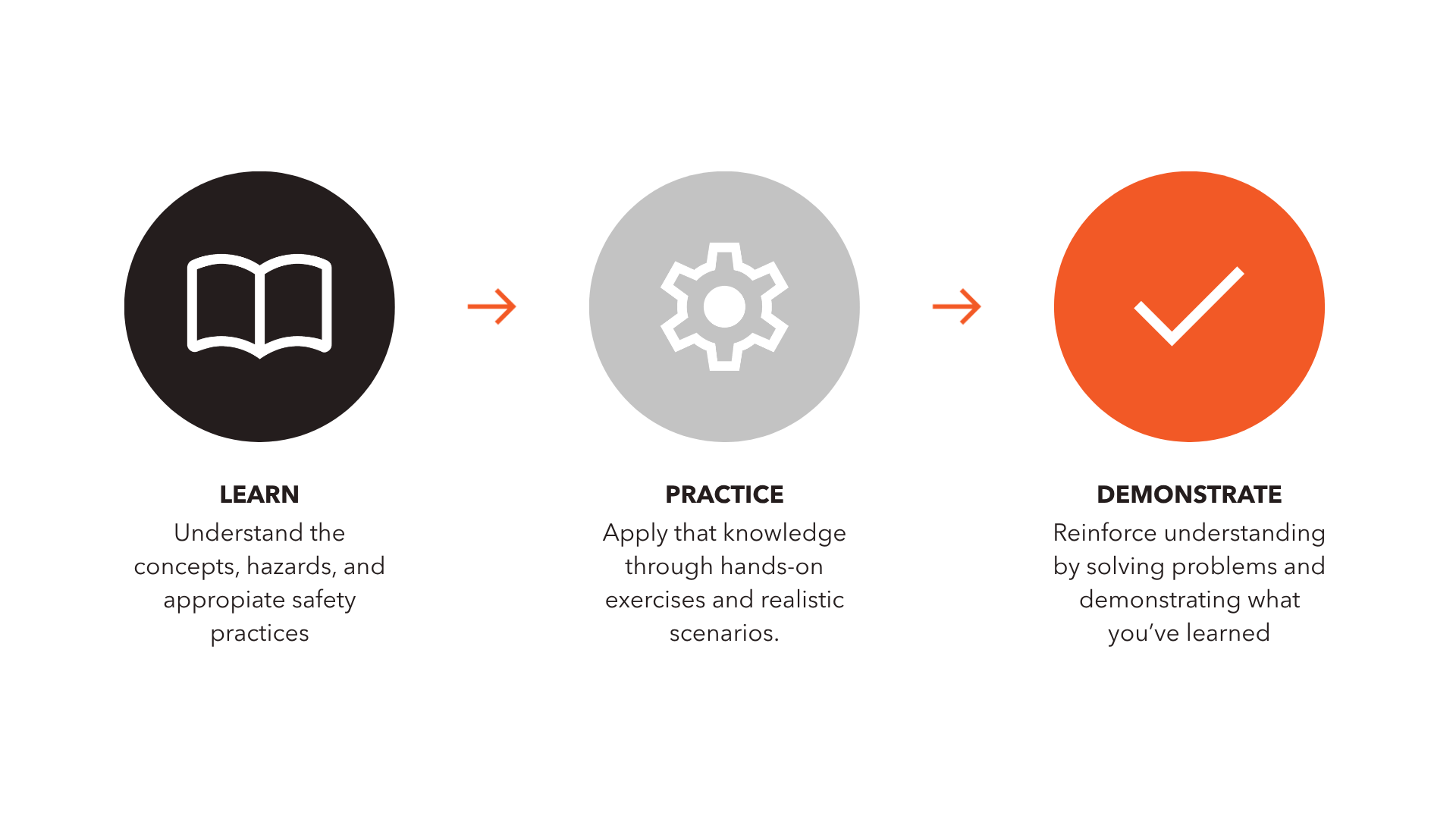
Learn. Practice. Demonstrate.
Our hands-on approach is designed to give students the knowledge and opportunity to actively participate in the learning process. By practicing skills and working through real-world scenarios, students develop the confidence to recognize hazards, make safer decisions, and apply what they’ve learned on the jobsite.
THE BENEFITS
Why Hands-On Learning Works
Hands-on learning creates a more effective and meaningful training experience. It allows students to actively participate, solve problems, and build real skills that they can apply in the field

GREATER RETENTION
Hands-on participation helps reinforce the skills and concepts students are learning.

PROBLEM SOLVING
Students work through challenges and situations they may encounter on the jobsite.

MORE ENGAGING
Active participation helps create a more interactive and enjoyable learning experience.

SENSE OF ACHIEVEMENT
Practicing and successfully demonstrating a skill gives students the opportunity to see their progress.

CRITICAL THINKING
Students practice making decisions and solving problems that can affect their safety and the safety of others.
PRACTICE BEFORE IT BECOMES REAL
Real Scenarios. Lasting Skills.
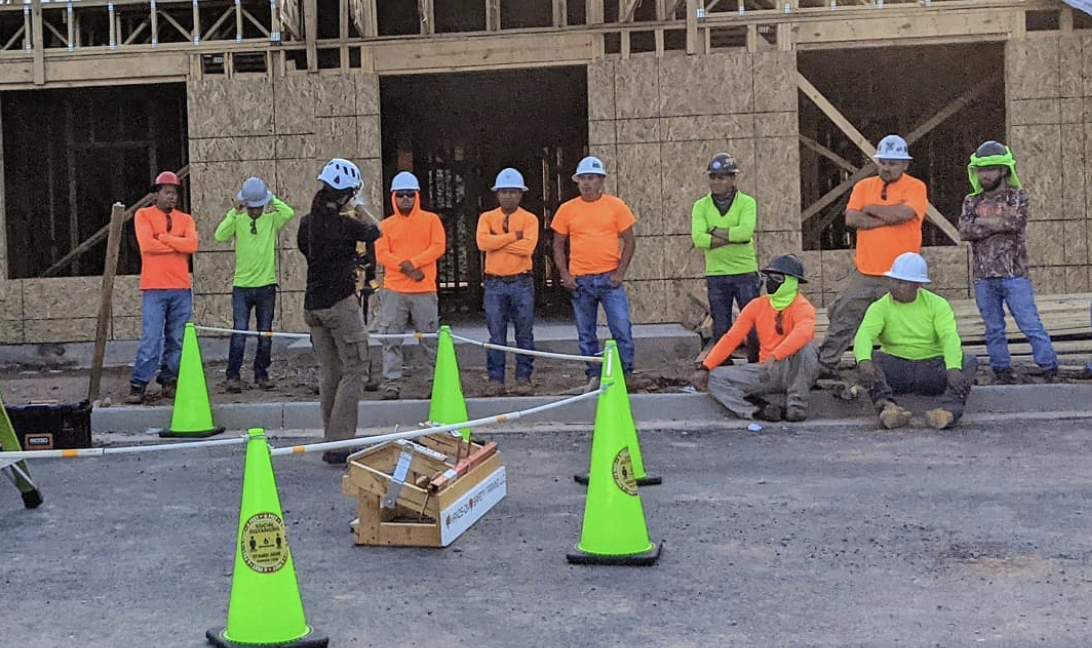
Hands-on exercises expose students to the types of challenges and obstacles they may encounter on the jobsite. In a safe training environment, students can practice proper techniques, ask questions, collaborate with instructors and peers, and develop problem-solving skills.
This practical experience helps prepare students to confidently apply what they’ve learned when they return to the jobsite. Our goal is not simply to complete a class, it’s to help students truly understand the skills and decisions they’ll need in real-world situations.